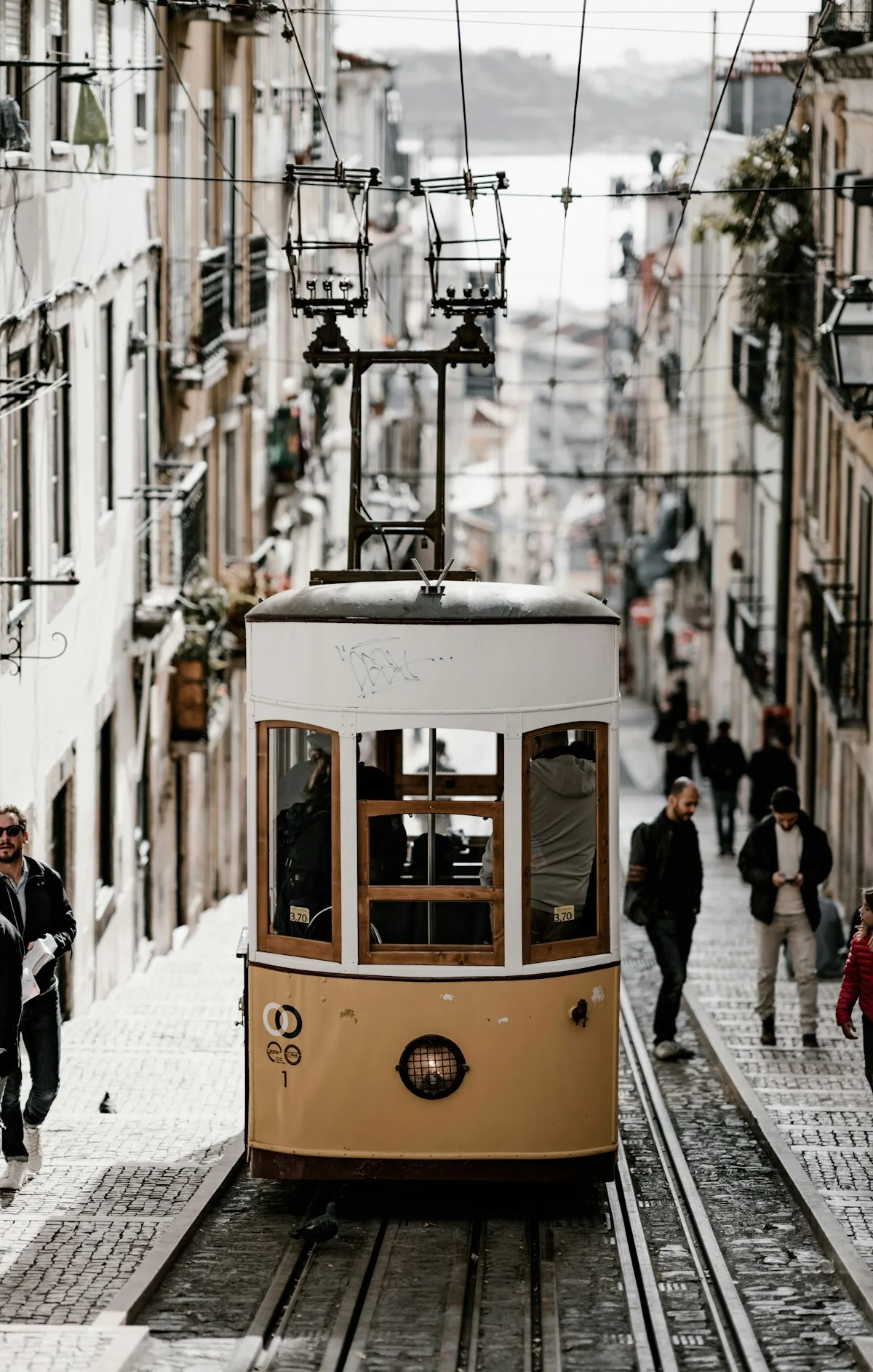
Three days in Lisbon work best when each day has a clear geographical center. The tempting alternative is a list that sends you between Belém, Alfama and Sintra before dinner. That approach spends your short break on transport and leaves little room for the small pleasures that make a city trip feel like a holiday: a second coffee, a shaded bench and a neighborhood you can recognize on the way home.
This plan suits two adults arriving the evening before their first full day. It is an editorial route suggestion rather than a record of a hosted trip. Use the official Visit Lisboa guide for current attraction information and opening arrangements, then adjust the sequence around the tickets you actually secure.
Choose a base before choosing attractions
For a first visit, compare properties around Baixa and Chiado with those farther up the hills. A central address can make the first and last journey of the day easier, but the precise street matters more than the neighborhood label. Inspect the walk from the nearest station, the building entrance and whether the lift reaches your floor. A charming room above several staircases becomes a different proposition with a heavy suitcase.
Couples planning long evenings out may value restaurants near the hotel more than a large room. Families returning for an afternoon rest may prefer additional space and an easy route home. Ask about street noise and the actual room category; a photograph of a quiet courtyard does not promise that every room faces it.
Day one: the center, then one hillside
Start with Baixa and the riverfront around Praça do Comércio. Leave the first morning relatively unstructured so a late flight or slow breakfast does not destroy the itinerary. Walk through the center, pause for lunch, and choose one uphill direction for the afternoon rather than attempting every viewpoint.
Alfama makes a useful second half of the day if you enjoy wandering, but treat it as a residential neighborhood as well as a visitor destination. Keep doorways clear, lower your voice around homes and avoid photographing residents as scenery. Build in regular pauses: the distance on a map does not describe the effort of climbing or the concentration needed on uneven paving.
Make dinner a separate decision from sightseeing. Pick an area you can return from comfortably and check the restaurant's own booking information. A convenient table near your hotel can be more satisfying than an ambitious reservation that requires another cross-city journey when everyone is tired.
Day two: give Belém its own block
Keep Belém together as a substantial outing. Choose one major interior visit, some time by the waterfront and a relaxed meal, rather than assuming several ticketed sights will fit neatly between queues. Confirm access, ticket conditions and any closures through the relevant operator before you set out. The official tourism guide is a useful starting point, but your booking confirmation governs the visit.
If architecture is your priority, invest your energy there. If museums are your priority, shorten the waterfront walk. A traveling companion who likes neither should have a real alternative, such as a café break, instead of being expected to endure the entire plan. Agree on a meeting point and a latest return time while phones still have plenty of charge.
Leave the evening open. This is an ideal day to return to a favorite neighborhood rather than add a new district solely to make the itinerary look complete. Travel time, lunch and standing in line are part of the day even when they produce no photograph.
Day three: choose depth or a day trip
Use your final day for either a slower Lisbon neighborhood day or a carefully planned excursion. Sintra deserves its own logistical research, especially transport and individual attraction access; it is not a casual extra squeezed between breakfast and an airport transfer. If your flight is that evening, keep the day within Lisbon and leave a generous buffer for collecting luggage.
A city day could combine a museum that genuinely interests you with shopping for a modest souvenir and a longer lunch. Choose the museum first and build the walking route around it. This prevents the common mistake of picking an attractive café, a famous shop and a distant gallery that happen to sit in three different directions.
What is worth packing or buying?
Comfortable shoes with secure traction matter more here than a different outfit for every dinner. Wear them on normal walks before departure. A compact crossbody or small backpack should hold water, a light layer and your essentials without becoming a second suitcase. Compare strap comfort and closure design before buying; decorative hardware does not improve a long uphill walk.
- A refillable bottle you can carry comfortably when full.
- A small sun hat and weather-appropriate layer.
- A phone charging cable and suitable adapter.
- A separate pouch for documents so they are not loose among café receipts.
- A bag small enough to keep close to your body in busy transport.
Our travel gear and packing categories focus on these practical decisions. Buy only to solve an identified gap. An existing bag that fits well is usually a better starting point than a coordinated set chosen for photographs.
Questions before you book
Should you buy a city pass?
List the attractions you will actually enter and compare their official ticket costs with the current pass inclusions and validity rules. Do not add visits simply to justify a pass you already bought.
Is three days enough?
It is enough for an enjoyable introduction if you accept that some places will wait. A smaller route with time to sit down will usually suit a short break better than a checklist of every famous sight.
Should you rent a car?
For this city-focused itinerary, first investigate public transport and walking routes. A rental adds parking and luggage decisions without necessarily making central sightseeing simpler.