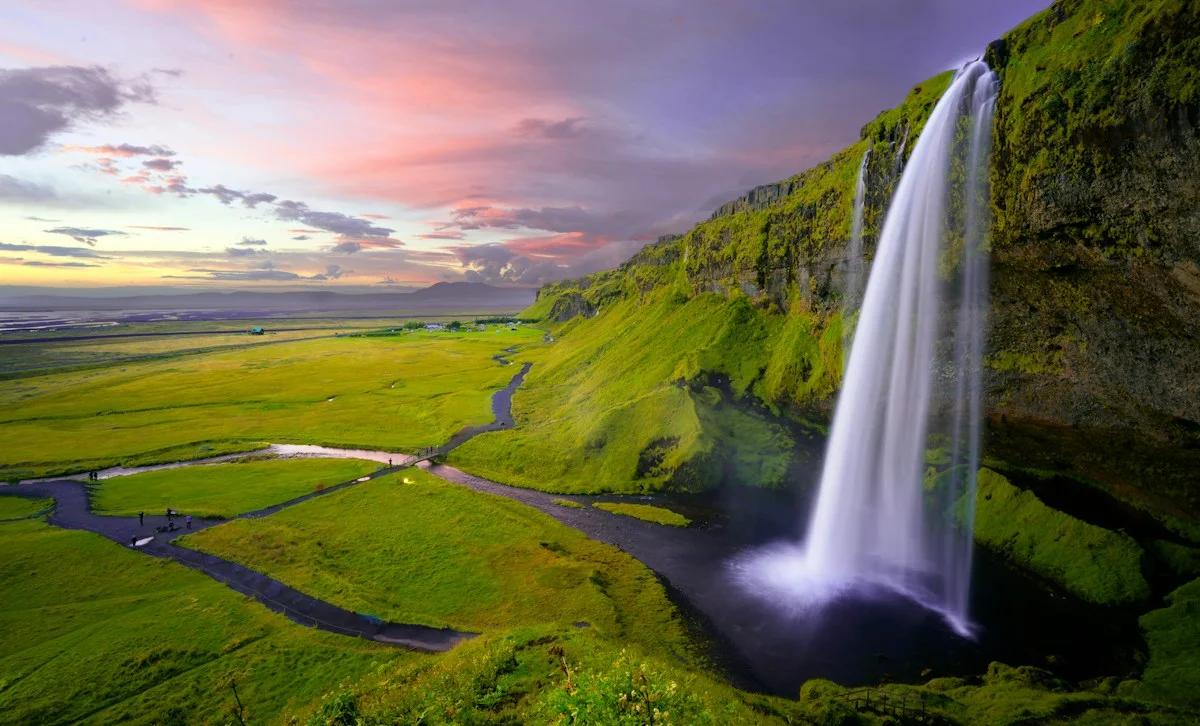
An Iceland road trip can look wonderfully simple on a map: a circle, a few waterfalls and a different hotel each night. On the ground, daylight, wind, road conditions and the time spent stopping matter as much as distance. A useful itinerary begins with the season and the available days, then works outward to places that fit. It does not begin with a promise to complete a famous route regardless of conditions.
Imagine two adults with a week away, including arrival and departure. They want landscapes, short walks and unhurried evenings rather than long driving shifts. A focused regional trip may suit that brief better than completing the entire Ring Road. This is a planning judgment, not a declaration that one route is right for every visitor.
Set a driving limit before drawing the route
Agree on a comfortable maximum driving day, then add time for meals, fuel, photography, check-in and unexpected delays. The driving estimate on a map is not the complete duration of a travel day. A route that appears manageable can become tiring once several scenic stops are included.
Compare a regional base-and-excursion approach with a moving itinerary. Staying longer in fewer places reduces packing and provides flexibility, but may involve returning along the same road. Moving each night can support a longer route, yet makes every booking a deadline. Choose consciously rather than assuming that a road trip must involve a new room every evening.
Use live official information each day
Safetravel provides current safety information, while the road authority's traffic information service shows road conditions. Check these sources before departure and again when plans change. Conditions are specific to the route and moment; an attractive photograph from last week does not establish that a road is suitable today.
Follow closures and restrictions, and check whether a proposed road is permitted under your rental contract. A larger vehicle does not override a closure or substitute for relevant driving experience. If a route feels beyond your ability or conditions deteriorate, choose the shorter plan. The itinerary is a tool, not a commitment to continue.
Keep a realistic alternative for each travel day: a shorter destination, an indoor stop or another night in the current area if arrangements allow. Avoid building the entire route around one last-minute crossing or an attraction that requires favorable conditions. Let official alerts and local instructions outweigh the desire to keep a photograph on schedule.
Read the rental terms before comparing the price
Compare the full rental period, collection location, permitted drivers, deposit arrangement and included cover. Ask which roads are permitted and how roadside assistance works. Pay attention to exclusions and the process for documenting the vehicle at collection. Advice from another traveler may describe a different contract or vehicle class.
Take clear photographs according to the rental company's collection procedure and retain the check-in record. Make sure you understand fuel or charging requirements, return timing and any restrictions on where the vehicle can go. Choose size for passengers and luggage rather than appearance. An oversized vehicle can increase cost without making your planned route more appropriate.
Choose accommodation as part of the driving plan
A remote hotel can be a lovely destination, but consider dinner availability and the journey to the next day's first stop. Check reception hours, late-arrival instructions and cancellation deadlines. Arriving after a long drive to discover that the kitchen has closed is a preventable problem.
For a weather-sensitive trip, compare flexible rates with the possible cost of changing the route. Flexibility has limits, so read the exact deadline and local time zone. Keep confirmations accessible offline and know how to contact the property through its published channel. Do not assume that a refund will be available simply because your sightseeing preference changes.
Pack for the stop as well as the drive
Inside the car you may feel warm, while a short outdoor stop feels very different. Keep suitable layers accessible rather than buried beneath luggage. Select outerwear according to the forecast and the activities you actually plan, reading waterproofing and care information instead of treating all outdoor clothing as equivalent.
Footwear should suit the intended walks. A scenic pull-off is not an invitation to follow an unmarked route, and specialized equipment does not make an unfamiliar activity safe. Use qualified operators where appropriate and follow site-specific instructions. Keep valuables and documents organized so a quick stop does not require opening every bag.
- A charged phone, appropriate cable and offline navigation.
- Weather-appropriate layers within easy reach.
- Food and water suitable for the planned travel day.
- A small bag for carrying essentials at stops.
- Rental and accommodation details saved offline.
- A daily check of official road and safety information.
Road-trip questions
Is one week enough for the Ring Road?
It depends on season, conditions and your desired pace. For travelers who dislike long driving days, a smaller region can be a better holiday than a rushed complete circuit.
Should you book everything in advance?
Secure the accommodation you need, while considering flexible terms and a route that can respond to conditions. Availability and flexibility are competing priorities, so decide where you most need certainty.
What is worth paying more for?
Clear rental terms, suitable accommodation locations and appropriate guided activities can add practical value. Extra vehicle size or unnecessary equipment should solve a specific need before becoming part of the budget.