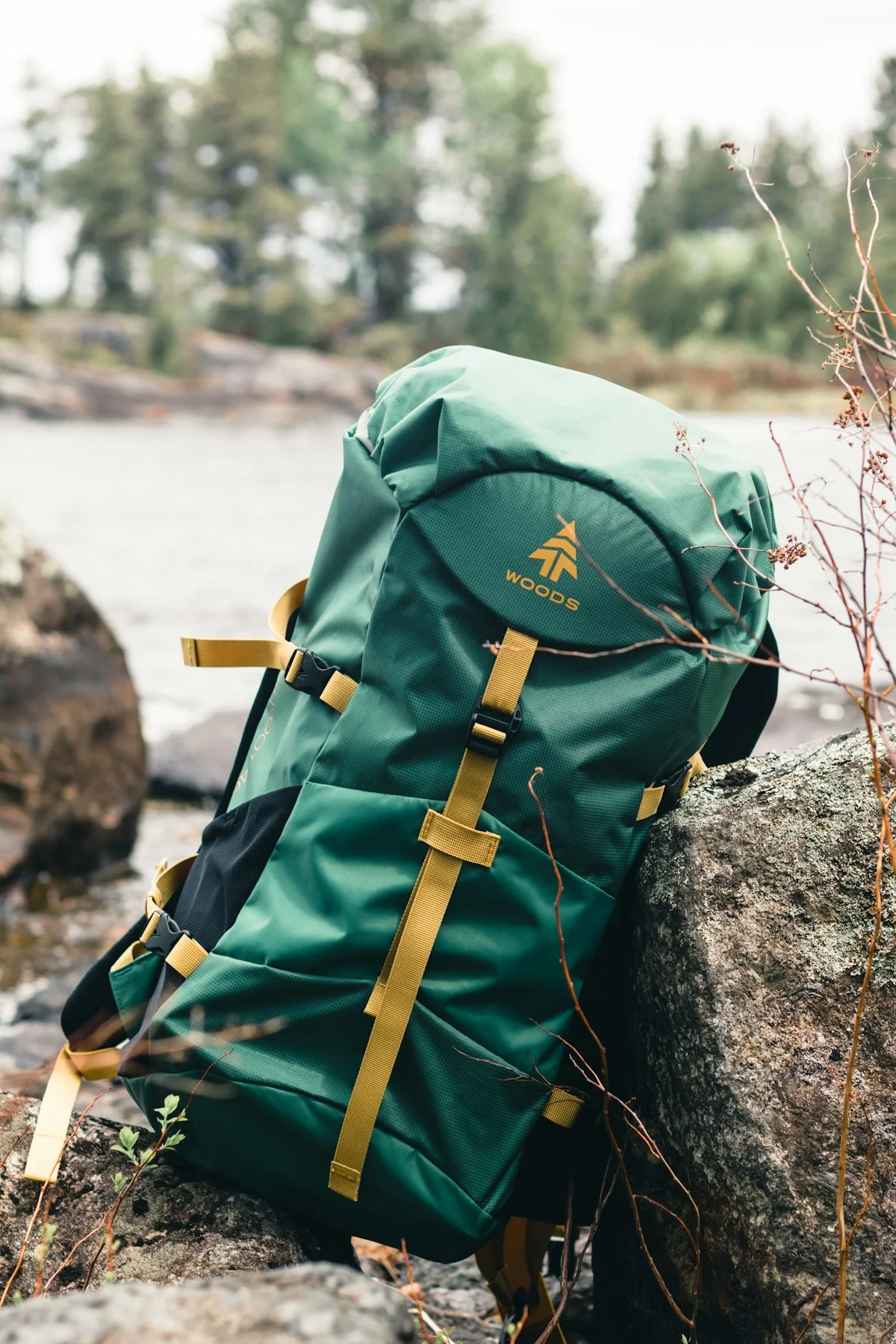
Picture the same weekend in two versions. In one, a taxi drops you at a hotel with a lift and a broad lobby. In the other, a late train leaves you walking uphill to a fourth-floor apartment. The packing list might be identical, but the best way to carry it changes. Start by describing the most awkward transfer on your itinerary, then choose luggage that helps with that moment.
A backpack is not automatically adventurous, and a spinner is not automatically impractical. Both can be excellent when their strengths match the journey. This comparison uses travel scenarios and buying criteria rather than claims of personal testing. Before spending money, try the load you expect to carry and check the actual baggage allowance for every flight.
When the backpack earns its place
A travel backpack keeps your hands available for rail tickets, handrails and an umbrella. It is useful on stairs and routes with uneven paving because you do not have to drag wheels across the ground. The cost is that you support the whole load. A bag that feels light empty can become unpleasant after you add a laptop, shoes and toiletries.
Choose adjustable shoulder straps that suit your torso, an opening that lets you reach clothes without emptying everything, and handles for short lifts. If you want a hip belt, check its position while the bag is loaded; a feature listed on a website is not proof that it fits your body. Straps that can be secured away are helpful when stowing the bag or moving through crowded spaces.
A backpack works especially well for a short rail trip with one pair of shoes and a compact wardrobe. It becomes less attractive when your trip involves formal clothes, heavy equipment or long walks with a load you cannot comfortably support. Do not buy a larger pack simply because more capacity is available. The empty space tends to become another outfit, another gadget and another kilogram to carry.
When the spinner makes travel calmer
A spinner supports most of its weight on smooth floors. That can be a real advantage during long airport walks or a trip with several indoor connections. It also gives clothing a defined rectangular space, and a clamshell case makes it easy to see what is packed. Your hands still need to guide the case, and steps still require lifting.
Look beyond how smoothly a showroom sample glides. Inspect the carry handles, the stability of the extended handle and the amount of space the wheels occupy within the overall dimensions. Think about where you will open it at the destination. A large case that needs both halves spread flat can be inconvenient in a tiny room with limited clear floor space.
For a city stay with a direct transfer and one hotel, a spinner often offers a straightforward routine: roll in, unpack, roll out. For several old-town hotels, the same bag may create repeated carrying interruptions. The relevant question is how often that interruption occurs, not whether a destination looks picturesque in photographs.
Compare the complete two-bag system
A suitcase plus a comfortable personal bag can be easier than one overloaded backpack. Equally, a backpack plus a small crossbody may be simpler than steering luggage while balancing a tote. Lay out both bags together. Decide which holds travel documents, essential medication, electronics and the layer you will need in transit.
Avoid buying two bags that solve the same problem poorly. A large backpack worn with a bulky shoulder bag can pull you off balance. A spinner with an enormous tote perched loosely on top can become awkward at ticket barriers. A luggage sleeve may help secure a personal bag, but check that the combination remains stable and that neither bag exceeds its allowance.
Delta's official baggage guidance distinguishes a carry-on from an under-seat personal item. Your airline's definitions and dimensions may differ, so verify them before building a system around a particular pair of bags. A soft backpack does not gain an exemption merely because it can be squeezed when empty.
Run a realistic home rehearsal
Pack the clothes, laptop and toiletries you intend to bring. Carry or roll the candidate bag for a realistic interval, then navigate a doorway and a short safe staircase if available. Notice how often you change hands, whether straps catch, and whether you can retrieve a ticket without placing everything on the ground.
For a backpack, check pressure points and whether the bag shifts when you bend to tie a shoe. For a spinner, check how you lift it into a car and whether it stands securely when packed. If shopping online, review return conditions before performing a loaded trial. Keep labels and packaging until you know the bag suits your routine.
Where the money should go
Pay for fit, useful access and repair support. Be cautious about spending extra on a bundle of pockets that consumes space or a fashion finish that needs careful treatment on every transfer. For occasional trips, a straightforward bag can be sufficient. Frequent travelers may reasonably value replaceable parts and a clearer repair process.
If the choice remains close, use the bag you own for the next low-stakes journey and keep notes on actual friction. A specific problem is a stronger reason to buy than a vague hope of becoming a more organized traveler. Explore our travel gear guides when you know which feature you need.
Common questions
Can a backpack keep clothes neat? Careful folding and a small garment folder can help, but packing tightly around irregular objects can create creases. Plan whether the accommodation has suitable ironing facilities if presentation matters.
Are two wheels better than four? They create a different handling style. Pulling on two wheels may suit rougher ground, while four wheels are convenient indoors. You still need to consider lifting and repairability.
Which is best for a first trip? The option you can handle comfortably and that fits the booked route. Choose the journey first, then the bag; avoid redesigning your whole packing system around an appealing product photograph.